
What is a Chaotic Female Lead?
And why do we love them so much?
The Chaotic Female Lead is that friend who overshares, self-sabotages, spirals publicly and makes decisions like they are intentionally trying to go against their best interest. She loves hard, over-indulges and is a whirlwind of emotions. She’s an acquired taste. You either love or hate her. But you can’t help but root for her.
In contemporary film and television, chaos appears to have become the only acceptable way for women to express complexity. Their awkwardness, impulsiveness, and, at times, lack of self-awareness immediately shoves them into this box when, really, they are just displaying normal human traits.
For the longest time, women have been archetyped in media: the Femme Fatale, the Damsel in Distress, the Caregiver, the Manic Pixie Dream Girl, the list goes on. More often than not, these are male-written characters. Characters that are confined to acceptable displays of femininity. What we are witnessing in this day and age is a surge of complex female characters with depth and layers. This is likely new and probably uncomfortable for the masses to digest, and so they are referred to as “chaotic”. But what better way to redefine the narrative than to reclaim these terms?
And so I welcome you to the countdown of my Countdown of the Top 5 Chaotic Female Leads.
These characters are funny, compelling, exhausting, and often deeply misunderstood. Their messiness is framed as entertainment and a cautionary tale, while the structures shaping it: grief, racism, gendered expectation, and class pressure, lie in the subtext. Let’s dig them out and discuss, shall we?
Using a familiar countdown format, this piece explores 5 female leads whose chaos is anything but random. Each entry combines cultural analysis and humour, alongside a rating system measuring impulsiveness, emotional volatility, self-sabotage, trauma weight, and cultural pressure.
Issa Rae – INSECURE
Coming in at number 5 is our favourite Awkward Black Girl: Issa Dee from Insecure.
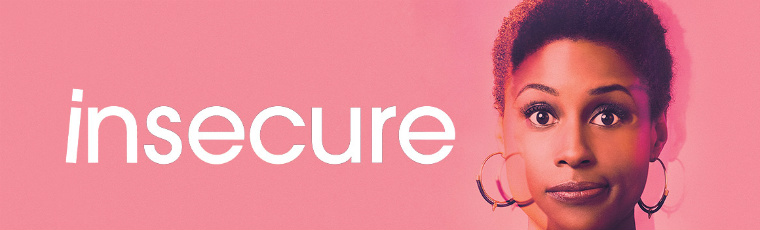
Issa’s chaos is internal and largely invisible to the outside world. Unlike others on this list, her messiness lives in what goes unsaid. Her primary outlet is standing in her bathroom, rapping to her reflection, rehearsing the confident and assertive version of herself she wishes she could be. In reality, Issa procrastinates and avoids confrontation, living with the constant anxiety of knowing she wants more than the life she’s currently settling for.
As a Black woman navigating work, creativity, friendship, and romance, Issa can’t afford public meltdowns or reckless impulsivity without serious consequences. She is constantly self-monitoring. Much of her “chaos” happens internally; audiences get to see the imagined arguments and fantasy scenarios that never quite make it into real life. When impulsiveness does slip through, it often manifests as self-sabotage, like cheating on a partner, choosing the wrong partners, letting her best friends down, or staying silent when she should speak up.
Issa’s relationships both ground and intensify her chaos. Her friendship with Molly is an important factor in her life; it’s loving yet messy, and deeply strained by miscommunication and unmet expectations. Romantic relationships often become mirrors for her insecurity, while her workplace highlights the tension between ambition and self-doubt. Insecure treats Issa’s awkwardness as a legitimate emotional state as opposed to a punchline, which is why many women resonate with the show. They feel seen and validated.❤️
Creator Issa Rae famously pushed back against executives who wanted “strong Black women” instead of insecure ones. But Issa Rae understood that perfection is its own kind of erasure. Issa Dee matters because she is allowed to be messy, uncertain, and unfinished, still figuring life out like the rest of us. This is a rare form of representation that black women get to experience.
Issa’s chaos is an internal panic, a funny and relatable one that allows women to relate without feeling judged.
Ratings:
Impulsiveness ⭐⭐⭐☆☆
Emotional Volatility ⭐⭐⭐⭐☆
Self-Sabotage ⭐⭐⭐⭐☆
Trauma Weight ⭐⭐⭐☆☆
Cultural Pressure Index ⭐⭐⭐⭐⭐
Devi Vishwakumar – NEVER HAVE I EVER
Devi Vishakumar, from the hit Netflix Series, Never Have I Ever, comes in at number 4.
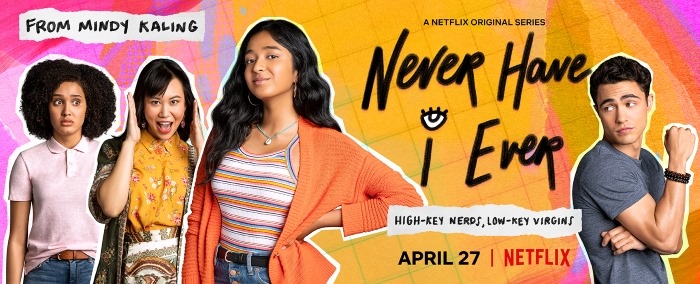
Devi is a first-generation Indian American high schooler who begins the show as a social outcast with an intense need to be seen and desired. She lives with her mother, cousin, and grandmother, a far from harmonious experience in her eyes.
The series opens in the aftermath of her father’s sudden death, a loss that shatters her primary emotional support system and deepens her already strained relationship with her mother. The series frames her as messy, selfish, impulsive, and often irritating, yet you cannot help but root for her!
As a proud Devi apologist, I find joy in attempting to justify her actions, and so I will make it my mission for you to also see my angle on things. Buckle in!
Devi’s chaos functions as a reaction to unresolved grief. Her impulsivity, romantic pursuits, social drama and ill-advised decisions operate as distractions, a way to avoid sitting with the reality of her father’s absence. Flashbacks reveal how central he was to her emotional regulation, and without that anchor, Devi struggles to manage anger and hurt on her own. This often results in explosive outbursts directed at those around her, for example, when she told her mother she wished she had died instead of her father. Low blow, Devi.😔
Devi’s chaos is further shaped by cultural expectations. As a South Asian daughter, she is expected to excel academically, remain modest, stay focused on school, and stay far, far away from boys, demands that clash violently with American teenage desire. She exists between these two worlds, never fully seen at school or at home. And when you throw puberty and intense main character syndrome, the chaos is bound to escalate.
What Never Have I Ever does well is grounding Devi’s messiness in trauma without excusing it. She faces real consequences, allowing the audience to root for her growth, not her worst decisions. With Mindy Kaling, an American actress and screenwriter of south asian descent, being the creator of this series, it highlights the importance of representation. Kaling uses the series to argue that representation shouldn’t just mean “perfect” characters; true equality is the freedom to be an absolute mess on screen, no matter your race, gender or background, because that’s just the reality of life!
Devi’s chaos is grief, culture, adolescence, and hormones colliding, and honestly? I feel you, girl!
Ratings:
Impulsiveness ⭐⭐⭐⭐☆
Emotional Volatility ⭐⭐⭐⭐⭐
Self-Sabotage ⭐⭐⭐⭐☆
Trauma Weight ⭐⭐⭐⭐☆
Cultural Pressure Index ⭐⭐⭐⭐⭐
Fleabag – FLEABAG
Coming in at number 3 is none other than the iconic hot mess herself: Fleabag, from the series Fleabag.

Fleabag is a London-based café owner in her early thirties, navigating grief, guilt, sex, and the overwhelming feeling that she is failing at being a human. She is dry-witted, painfully self-aware, and relentlessly unfiltered.
Similar to Devi, Fleabag experiences a tragic loss before the narrative begins, already rooting her chaos in grief and trauma. Her best friend, Boo, is killed after she walks into ongoing traffic. Why did she do that, you ask? Well, at the fault of Fleabag, of course, and so let’s just throw extreme guilt and shame into the mix while we’re at it.
Despite this internal devastation, Fleabag remains a humorous character who always has an inappropriate joke up her sleeve. To those around her, she appears as a carefree, “life of the party” type of person. But in reality, humour, sex, and cynicism are really just coping mechanisms in her attempts to avoid stillness and accountability. She keeps moving to avoid having to feel and confront her reality.
Her most distinctive habit is breaking the fourth wall. Speaking directly to the audience allows Fleabag to narrate her own life and control how we see the people around her. Characters are reduced to nicknames: “Hot Misogynist,” “Arsehole Guy,” “Wicked Stepmother”, a way of flattening them before they can emotionally reach her. This creates a confessional bond with the viewer; we become her only real confidant, while everyone else remains at a distance. Her life becomes a performance for us; she frames her misery as entertainment to avoid being the butt of the joke.
Across two seasons, Fleabag’s journey is one of learning to exist without an audience. Her chaos begins as a shield against grief, but ends when she finally allows herself to sit with it. And we couldn’t be prouder!🥹
Ratings:
Impulsiveness ⭐⭐⭐⭐☆
Emotional Volatility ⭐⭐⭐⭐☆
Self-Sabotage ⭐⭐⭐⭐☆
Trauma Weight ⭐⭐⭐⭐☆
Cultural Pressure Index ⭐⭐⭐☆☆
Rebecca Bunch – CRAZY EX-GIRLFRIEND
Coming in at number 2 is none other than Crazy Ex-Girlfriend’s Rebecca Bunch.

This one’s for the musical theatre lovers!🕺
Rebecca Bunch is what happens when romantic fantasy meets untreated mental illness, mixed in with a bunch of musical theatre numbers. Each episode features multiple original songs that parody various musical genres to represent the character’s internal emotional states. The show successfully deconstructs the “crazy ex-girlfriend” archetype, examining the societal pressures and psychological traumas that drive the characters to behave the way they do.
In the pilot, Rebecca is offered a prestigious promotion at her job. Despite her career success, she’s deeply miserable, struggling with severe anxiety and depression. Rebecca is experiencing a rock bottom moment when she coincidentally runs into her ex-boyfriend, Josh Chan – it’s important to mention that they were 16 and dated for two months at summer camp. He tells her that he’s moving to West Covina, California. After their very brief interaction, Rebecca impulsively quits her job and moves from New York to California, in a desperate attempt to win him back. The decision is followed by a catchy, optimistic opening song that portrays the decision as a grand, romantic adventure rather than a reckless decision, abandoning her career and stability. But hey, you gotta follow your heart, right?😅
Now, I know what you’re thinking. “She’s insane!” While that may be partly true, before you reach your final decision, let’s break it down in hopes you will join me in being a Rebecca Bunch apologist.
Rebecca’s extreme behaviours come down to a combination of three things: her childhood traumas, learned ideologies about love, and her eventually diagnosed Borderline Personality Disorder. With an absent father and an emotionally suffocating mother, Rebecca grew up equating love with validation and self-worth. She puts romance on a high pedestal and over-romanticises everything, often leaving her accepting the bare minimum from the men in her life. Her intense highs mean she is equally prone to intense feelings of emptiness, which she frequently describes as a “void” inside her, which she attempts to fill with impulsive decisions.
What’s important to note is that, despite how hilarious and lovable Rebecca can be, the show never glamorises this behaviour. Musical numbers like “You Stupid B*tch” and “I’m a Villain in My Own Story” expose her self-loathing and dissociation. The narrative insists on accountability, as do the characters around her.
The show’s most pivotal moment happens when Rebecca is diagnosed with BPD in season 3. The diagnosis begins to change how Rebecca views herself, for the better. She stops asking “Why am I like this?” and starts asking “How do I manage this?” The show concludes not with an elaborate wedding like Rebecca once dreamed of, but with her finding her own voice as a songwriter, establishing an identity away from being Josh’s girlfriend. That’s what we call growth!
Crazy Ex-Girlfriend beautifully resists the trope by humanising Rebecca’s “crazy” behaviour, shining a light on the specific traumas and social conditioning that create such obsessive patterns in the first place
Ratings:
Impulsiveness ⭐⭐⭐⭐☆
Emotional Volatility ⭐⭐⭐⭐⭐
Self-Sabotage ⭐⭐⭐⭐⭐
Trauma Weight ⭐⭐⭐⭐☆
Cultural Pressure Index ⭐⭐⭐⭐☆
Villanelle – KILLING EVE
Villanelle… Where do I begin?
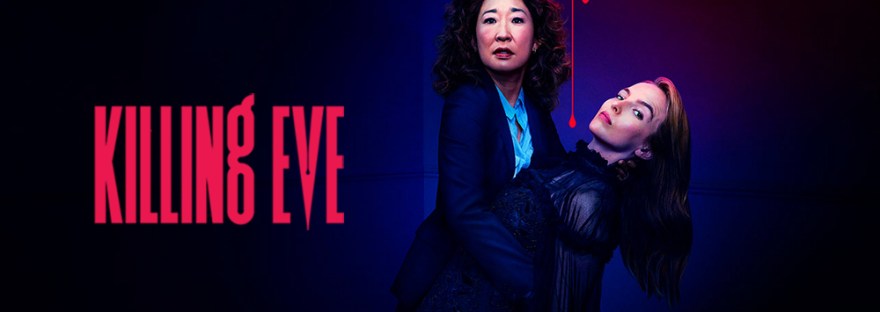
I’ll first begin with why I put her at number 1. Villanelle is the most complex character on this list. While the other entries had chaos rooted in relatable things, Villanelle is in a completely different ballpark. Let’s begin with some context.
Killing Eve is a spy thriller series, following the obsessive relationship between MI6 investigator, Eve Polastri and psychopathic Russian assassin, Villanelle.
Most of Villanelle’s chaos is grounded in a lack of moral conditioning.
Villanelle kills high-profile politicians for a living and couldn’t be happier about it. Unlike traditional assassins driven by ideology or necessity, Villanelle kills primarily because she is talented at it and finds regular life extremely boring. Her job provides a glamorous lifestyle that keeps her going.
Villanelle doesn’t experience guilt or remorse in ways that others do. This isn’t purely down to psychopathy, but instead a failure and rejection of moral training. She wasn’t raised by family and community, instead institutions, like The Twelve, Prisons and Handlers, all of which never had her best interest at heart. Their intention was to mould them into a tool they could use, a killing machine, and so her sense of right and wrong is replaced by performance and rewards. For example, in season one, she brutally stabs and kills Eve’s friend in a crowded club, then resumes her night as if nothing happened. When questioned about it by her handler, her main concern is whether she performed well. Chaos emerges because there is no moral compass stopping her.
Villanelle also doesn’t have a grounded sense of self; she performs versions of herself depending on the context. QUEUE ICONIC FITS!
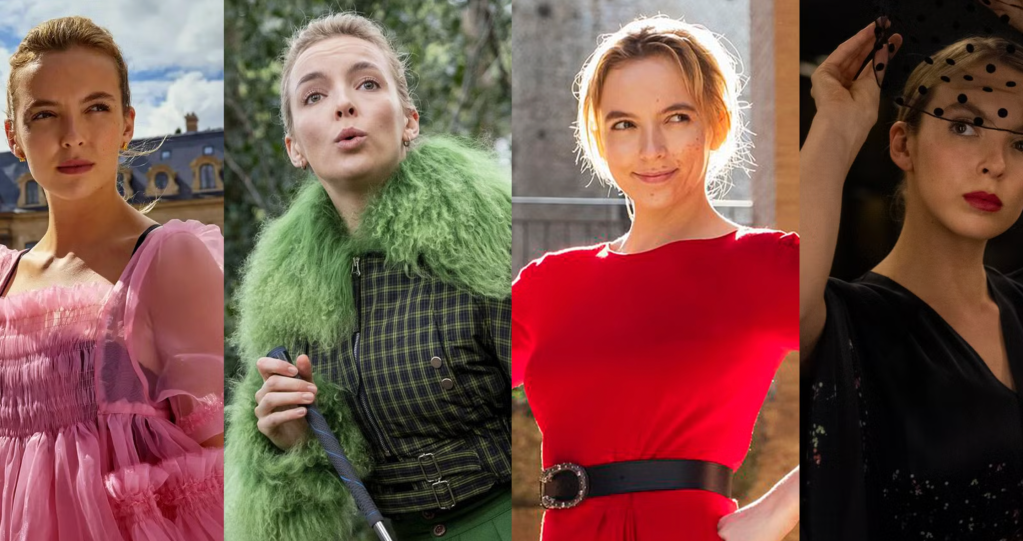
She seamlessly slips through accents and personas, while they are disguises for her job, they are also substitutes for her true identity. When she’s stripped of roles or validation, she spirals. And can you guess what happens when she spirals…🔪 With no stable self, she moves unpredictably and dangerously through the world, making her impossible to anchor.
She’s also very impulsive because desire is her driving force. She sees what she wants and will get it by any means, or at least make sure she’s having a good time while doing it. She lives for attention, pleasure, excitement and recognition. She gets obsessed intensely, loses interest quickly and then becomes destructive when bored. This is shown through one of the main arcs of the show, her obsession with Eve. She does things like send Eve gifts, like clothes and perfume, and even shows up to her house unannounced, purely to get Eve’s attention, even when she knows it’s Eve hunting her. She enjoys doing things to satisfy her curiosity and desires, even when they’re extremely dangerous.

What makes Villanelle truly chaotic is her refusal to be contained, exposing how threatening a woman becomes when she wants without permission and exists without apology.
Impulsiveness ⭐⭐⭐☆☆
Emotional Volatility ⭐⭐⭐☆☆
Self-Sabotage ⭐⭐⭐⭐☆
Trauma Weight ⭐⭐⭐☆☆
Cultural Pressure Index ⭐⭐⭐☆☆
To Conclude…
Chaos is more than just bad decisions. Chaos is born from the systems that shape how women are allowed to express themselves. From Issa’s quiet internal spirals to Devi’s impulsive crash-outs, each of these queens are doing their best to cope with the cards they’ve been dealt.
Some are allowed to unravel loudly; others must implode in silence. These characters hold space for emotions that have rarely been represented by women on screens in the past, helping to turn discomfort into recognition. These types of characters show women that it’s okay to fail, to desire, to exist loudly, to make mistakes and try again, it’s simply a part of being human.
And honestly, I’d watch every single one of them make the wrong decision again and again, because they’re all icons in their own right!💅
I hope you enjoyed reading about my favourite chaotic female leads, and I have inspired you to watch each of these amazing shows.
I did?
Omg, AMAZING! Well then…
 Chaotic Female Lead
Leave a comment